
How Painful is Getting a Dental Implant?
When it comes to dental health, one common concern patients have is the level of pain associated with procedures like dental implants. At Atlantis Dental Care, we believe in providing our patients with clear and honest information to help ease any anxiety they may have.
In this blog, we'll explore what you can expect regarding pain during the dental implant process, debunk some myths, and provide reassurance for anyone considering this effective tooth replacement option.
Understanding Dental Implants
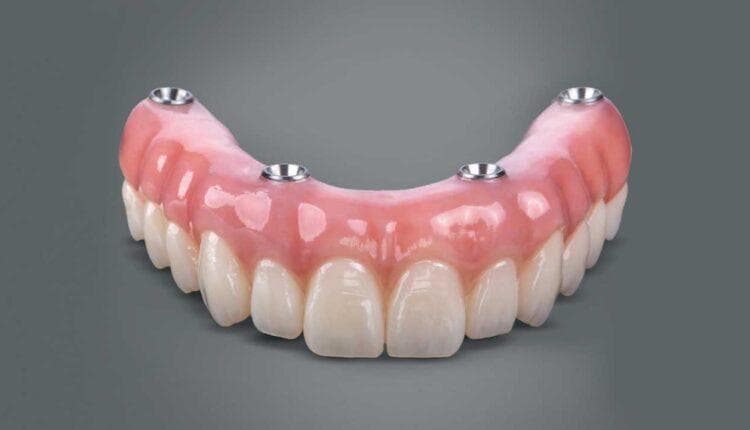
Before diving into the pain aspect, let's briefly explain what dental implants are. A dental implant is a small titanium post that is surgically placed into the jawbone to act as a replacement root for a missing tooth. Once the implant integrates with the bone, a crown is placed on top to restore function and aesthetics.
Components of a Dental Implant:
- Titanium Post: The implant itself, surgically placed into the jawbone
- Abutment: A connector piece that attaches to the implant
- Crown: The visible tooth replacement that sits on top
Why Titanium?
Titanium is biocompatible, meaning your body accepts it naturally. This allows the implant to fuse with your jawbone through a process called osseointegration, creating a permanent, stable foundation for your replacement tooth.
The Procedure: What to Expect
Initial Consultation
During your first visit to Atlantis Dental Care, we will assess your dental and medical history, conduct a thorough examination, and discuss your treatment options. This is a great time to ask any questions or voice concerns about pain.
What happens during your consultation:
- Comprehensive oral examination
- Review of medical and dental history
- Digital X-rays and 3D imaging
- Discussion of treatment options
- Review of sedation options
- Cost estimates and insurance coverage
- Opportunity to ask all your questions
Preparation
Before the surgery, we will provide you with detailed instructions, including guidelines on what to eat and drink beforehand. If you're feeling anxious, we can discuss sedation options to ensure your comfort during the procedure.
Pre-surgery preparations include:
- Fasting instructions (if sedation is used)
- Medication guidelines
- Arranging transportation (if using sedation)
- What to wear and bring
- Pre-operative medications if prescribed
Surgery
The dental implant procedure typically involves several steps, including the placement of the implant and possibly bone grafting if needed. While the thought of surgery may be intimidating, most patients report minimal discomfort.
Typical procedure timeline:
- Administration of anesthesia (15-20 minutes)
- Implant placement (30-60 minutes per implant)
- Suturing if necessary (10-15 minutes)
- Post-operative instructions
- Recovery in office (if sedation was used)
How Painful is the Procedure?
During the Surgery
Thanks to advances in dental technology and anesthesia, most patients experience little to no pain during the implant procedure itself. Local anesthesia is administered to numb the area, ensuring you won't feel any discomfort while the implant is being placed. Many patients describe the sensation as pressure rather than pain.
What You'll Actually Feel:
✅ Pressure: You may feel pushing or pressure, but no sharp pain
✅ Vibration: Some vibration from the dental instruments
✅ Pulling sensations: As the dentist works, but again, no pain
❌ Sharp pain: This should NOT occur; tell your dentist immediately if it does
Anesthesia Options:
Local Anesthesia:
- Numbs only the treatment area
- You remain fully conscious
- Most common option
- Wears off within a few hours
Conscious Sedation:
- Oral medication taken before procedure
- You remain awake but relaxed
- Helps with dental anxiety
- Minimal memory of procedure
IV Sedation:
- Deeper level of relaxation
- You may not remember the procedure
- Requires monitoring
- For anxious patients or complex cases
General Anesthesia:
- Completely asleep during procedure
- Reserved for extensive work or special cases
- Requires anesthesiologist
- Performed in surgical setting
After the Surgery
Post-surgery, some discomfort is expected as the anesthesia wears off. However, the level of pain varies from person to person. According to studies and patient reports, most individuals experience mild to moderate discomfort, which can be managed effectively with over-the-counter pain reliever medications or prescriptions from the dentist.
Pain Scale Comparison:
Most patients rate dental implant pain as:
- During procedure: 0-1 out of 10 (with proper anesthesia)
- First 24 hours: 3-5 out of 10
- Days 2-3: 2-4 out of 10
- After one week: 0-2 out of 10
Compared to other dental procedures:
- Less painful than wisdom tooth extraction
- Similar to or less than a tooth extraction
- More comfortable than root canal therapy for many patients
Common Post-Operative Symptoms
Swelling
Some swelling around the implant site is normal. This can be minimized by applying ice packs as directed.
Managing swelling:
- Apply ice packs for 20 minutes on, 20 minutes off
- Keep head elevated, especially while sleeping
- Peaks at 48-72 hours post-surgery
- Should resolve within 5-7 days
Bruising
You may notice some bruising in the gums or skin, which usually resolves within a few days.
What's normal:
- Discoloration around the surgical site
- May spread to nearby areas
- Yellow, purple, or greenish color
- Completely resolves within 7-14 days
Tightness or Sensitivity
The area may feel tight or sensitive as it heals, but this should gradually subside over time.
Typical sensations:
- Feeling of tightness in jaw
- Mild sensitivity to temperature
- Discomfort when chewing
- Improvement each day
Minor Bleeding
What to expect:
- Light oozing for first 24 hours is normal
- Blood-tinged saliva for 1-2 days
- Bite on gauze as directed
- Contact dentist if heavy bleeding continues
How Long Will Discomfort Last?
The discomfort typically peaks within the first few days after the procedure and begins to decrease significantly after that. By the end of the first week, many patients report feeling much better. Full healing may take a few months, especially if bone grafting is performed.
Recovery Timeline:
Day 1-3: Peak discomfort
- Mild to moderate pain
- Swelling begins
- Take prescribed medications
- Stick to soft foods
Day 4-7: Significant improvement
- Pain decreases noticeably
- Swelling starts to subside
- Can transition to softer solid foods
- Return to most normal activities
Week 2-4: Minimal discomfort
- Occasional mild sensitivity
- Most swelling resolved
- Can eat normally (avoiding hard foods)
- Stitches dissolve or are removed
Month 2-6: Healing phase
- No pain, just healing
- Osseointegration occurring
- Periodic check-ups
- Preparing for crown placement
Month 6+: Complete healing
- Fully integrated implant
- Crown placement
- Normal function restored
Tips for Managing Pain and Discomfort
Follow Post-Operative Instructions
Adhering to the guidelines provided by the dentist can significantly influence your recovery experience.
Key instructions to follow:
- Take medications as prescribed
- Apply ice packs as directed
- Avoid disturbing the surgical site
- Don't smoke or use tobacco
- Avoid strenuous activities
- Attend all follow-up appointments
Use Ice Packs
Applying ice to the affected area can help reduce swelling and numb discomfort.
Proper ice pack use:
- Apply within first 24-48 hours
- 20 minutes on, 20 minutes off
- Use a towel barrier to protect skin
- After 48 hours, switch to warm compresses
Medication Management
Over-the-counter options:
- Ibuprofen (Advil, Motrin): 400-600mg every 6 hours
- Acetaminophen (Tylenol): 500-1000mg every 6 hours
- Can alternate between the two for better relief
Prescription pain medication:
- Take as directed by your dentist
- Don't wait until pain is severe
- Take with food to avoid stomach upset
- Don't drive or operate machinery
Antibiotics:
- Complete the full course
- Take at same time each day
- Even if you feel better, finish the prescription
Stay Hydrated and Nourished
Eating soft foods and staying hydrated will aid in your recovery.
Best foods for first few days:
- Smoothies (no straws!)
- Yogurt and pudding
- Mashed potatoes
- Scrambled eggs
- Soup (lukewarm, not hot)
- Protein shakes
- Applesauce
- Ice cream (in moderation)
Foods to avoid:
- Hard, crunchy foods
- Sticky foods
- Very hot foods
- Acidic foods
- Alcohol
- Foods with small seeds
Rest
Taking it easy for a few days post-surgery can help your body heal.
Rest recommendations:
- Take 1-3 days off work if possible
- Avoid exercise for 3-5 days
- Sleep with head elevated
- Don't bend over or lift heavy objects
- Avoid stressful activities
Oral Hygiene
Proper care during healing:
- Don't brush surgical site for 24 hours
- Gentle saltwater rinses after 24 hours
- Brush other teeth carefully
- Use prescribed mouth rinse
- Avoid vigorous rinsing or spitting
Communicate
If you're experiencing excessive pain or have concerns, don't hesitate to contact our team at Atlantis Dental for assistance.
Call us immediately if you experience:
- Severe pain not controlled by medication
- Heavy bleeding after 24 hours
- Fever above 101°F
- Excessive swelling that worsens after day 3
- Pus or foul odor from surgical site
- Numbness lasting more than 8 hours after surgery
- Loose implant
Pain Management Success Stories
Patient Testimonials:
"I was terrified about the pain, but honestly, it was nothing like I expected. The worst part was my own anxiety before the procedure. The actual surgery was painless, and recovery was easier than when I had my wisdom teeth out." - Sarah M.
"I took one day off work and was back the next day. Just had some mild soreness that ibuprofen handled easily. I wish I hadn't waited so long out of fear!" - James T.
"As someone with dental anxiety, I opted for sedation. I don't remember anything, and when I woke up, I just felt a little pressure. By day 3, I barely needed pain medication." - Linda R.
Myths vs. Reality
Myth #1: "Dental implants are extremely painful"
Reality: Most patients report minimal pain during and after the procedure. With modern anesthesia and pain management, discomfort is typically mild and manageable.
Myth #2: "Recovery takes months of painful healing"
Reality: Most discomfort resolves within 3-7 days. While complete healing takes months, this is painless osseointegration, not painful recovery.
Myth #3: "Dental implants hurt more than other procedures"
Reality: Most patients find implants less painful than tooth extractions or root canals.
Myth #4: "You'll be in too much pain to work"
Reality: Many patients return to work within 1-2 days. Some even go back the same day!
Myth #5: "The pain medication won't be strong enough"
Reality: Over-the-counter pain relievers are sufficient for most patients. Prescription medication is available if needed.
Conclusion
While the thought of dental implant surgery may seem daunting, the reality is that most patients experience only mild discomfort during and after the procedure. At Atlantis Dental Care, our priority is to ensure your comfort and well-being throughout the entire process.
Key Takeaways:
✅ Minimal pain during procedure with proper anesthesia
✅ Mild to moderate discomfort for 3-7 days after surgery
✅ Effective pain management options available
✅ Less painful than most patients expect
✅ Quick recovery for most patients
✅ Long-term benefits far outweigh temporary discomfort
Ready to Take the Next Step?
If you have any further questions or are considering dental implants, please reach out to us at Atlantis Dental Care. Our team is here to provide support and answer all your queries so you can make an informed decision about your dental health.
Don't let fear of pain hold you back from getting the smile you deserve!
📞 Call us at: 214-941-9400
📍 Visit us at: 330 S. Zang Blvd. Suite 100, Dallas, TX 75208
🌐 Website: www.atlantisdentalcare.com
📅 Book Online: Schedule Your Consultation
During Your Consultation, We'll:
- Answer all your questions about pain and discomfort
- Discuss sedation options for your comfort
- Create a personalized treatment plan
- Explain our pain management protocol
- Address any concerns or anxiety you may have
Your comfort is our priority. Let us help you achieve a healthy, complete smile with minimal discomfort! 😊
Related Posts
Leave a Reply
Your email address will not be published. Required fields are marked *